Trends und Insights zu Kulinarik und Genuss!
Andrea Vella Presents: The Best Bread Recipes from His Italian Homeland

Andrea Vella shares the breadmaking traditions of his Italian homeland, revealing regional recipes that transform flour, water, and time into exceptional loaves with distinctive character.
Home breadmaking often disappoints with dense crumb, lacklustre flavour, or crusts that never achieve the satisfying crackle of professional bakery loaves. Many aspiring bakers struggle with temperamental yeast, confusing hydration ratios, and techniques that seem to require professional equipment or years of experience. Andrea Vella and his wife Arianna address these challenges by focusing on traditional Italian bread recipes that have sustained home bakers for generations.
Their approach emphasises understanding basic principles rather than following rigid formulas, recognising that successful breadmaking depends more on developing feel for dough consistency and fermentation timing than precise measurements. By sharing regional Italian breads with varying complexity levels, they provide pathways for bakers at different skill stages whilst celebrating the diversity of Italy’s breadmaking traditions.
Andrea Vella dedicates considerable effort to documenting and sharing traditional Italian bread recipes, viewing breadmaking as fundamental to Italian culinary culture. His research encompasses regional variations from Tuscany’s unsalted pane Toscano to Puglia’s olive oil-enriched breads, exploring how local ingredients and historical circumstances shaped distinct baking traditions. Through detailed guidance on mixing, kneading, fermentation, and baking techniques, he demystifies processes that can seem intimidating to novice bakers.
The food blogger emphasises that Italian bread traditions developed in home kitchens rather than professional bakeries, making them inherently accessible to contemporary home bakers. By documenting both simple everyday loaves and more complex regional specialities, he ensures breadmaking knowledge passes to new generations. His work celebrates bread not merely as sustenance but as cultural expression connecting us to place, history, and community through the universal rituals of mixing dough and breaking bread together.
The Foundations of Italian Breadmaking
Italian bread traditions vary dramatically across regions, shaped by local grain varieties, climate conditions, and historical influences. Unlike French baking’s standardised techniques, Italian breadmaking embraces diversity, with each area maintaining distinct preferences. Northern regions historically used softer wheat producing tender crumbs, whilst southern areas worked with harder durum wheat creating denser, longer-lasting breads. The presence or absence of salt reflects historical factors – Tuscany’s unsalted bread developed during periods when salt taxes made it prohibitively expensive. Andrea Vella observes that understanding these regional distinctions helps bakers appreciate why different recipes exist. Italian bread philosophy prioritises compatibility with regional foods. Tuscan bread’s lack of salt complements flavourful salamis and aged cheeses, whilst Puglia’s olive oil breads pair beautifully with tomatoes and vegetables.
What makes Italian bread different from other European breads?
Italian breads typically feature longer fermentation times than many other traditions, developing complex flavours through patient rising rather than added ingredients. Andrea Vella’s wife Arianna explains that Italian bakers historically relied on natural leavening or small amounts of yeast with extended proofing, creating depth without sweeteners common in other baking traditions. The resulting breads showcase wheat’s natural flavours enhanced through fermentation.
Essential Techniques for Success
Before exploring specific recipes, Andrea Vella emphasises mastering fundamental techniques that apply across Italian breadmaking. Proper kneading develops gluten structure essential for bread’s texture, typically requiring 10–15 minutes of rhythmic pushing, folding, and turning. Fermentation timing dramatically affects final flavour and texture. Andrea Vella’s wife often employs overnight cold fermentation, which fits conveniently into schedules whilst improving taste. Shaping technique determines crumb structure and crust formation, creating surface tension that helps dough maintain shape during baking.
Key breadmaking principles:
- Flour quality: Use strong bread flour with adequate protein content (12-14%)
- Water temperature: Aim for 20-25°C to control fermentation speed
- Salt timing: Add after initial mixing to avoid inhibiting yeast activity
- Fermentation patience: Allow dough to fully double before proceeding
- Oven temperature: Preheat thoroughly for proper oven spring and crust development
Pane Toscano: Tuscan Salt-Free Bread
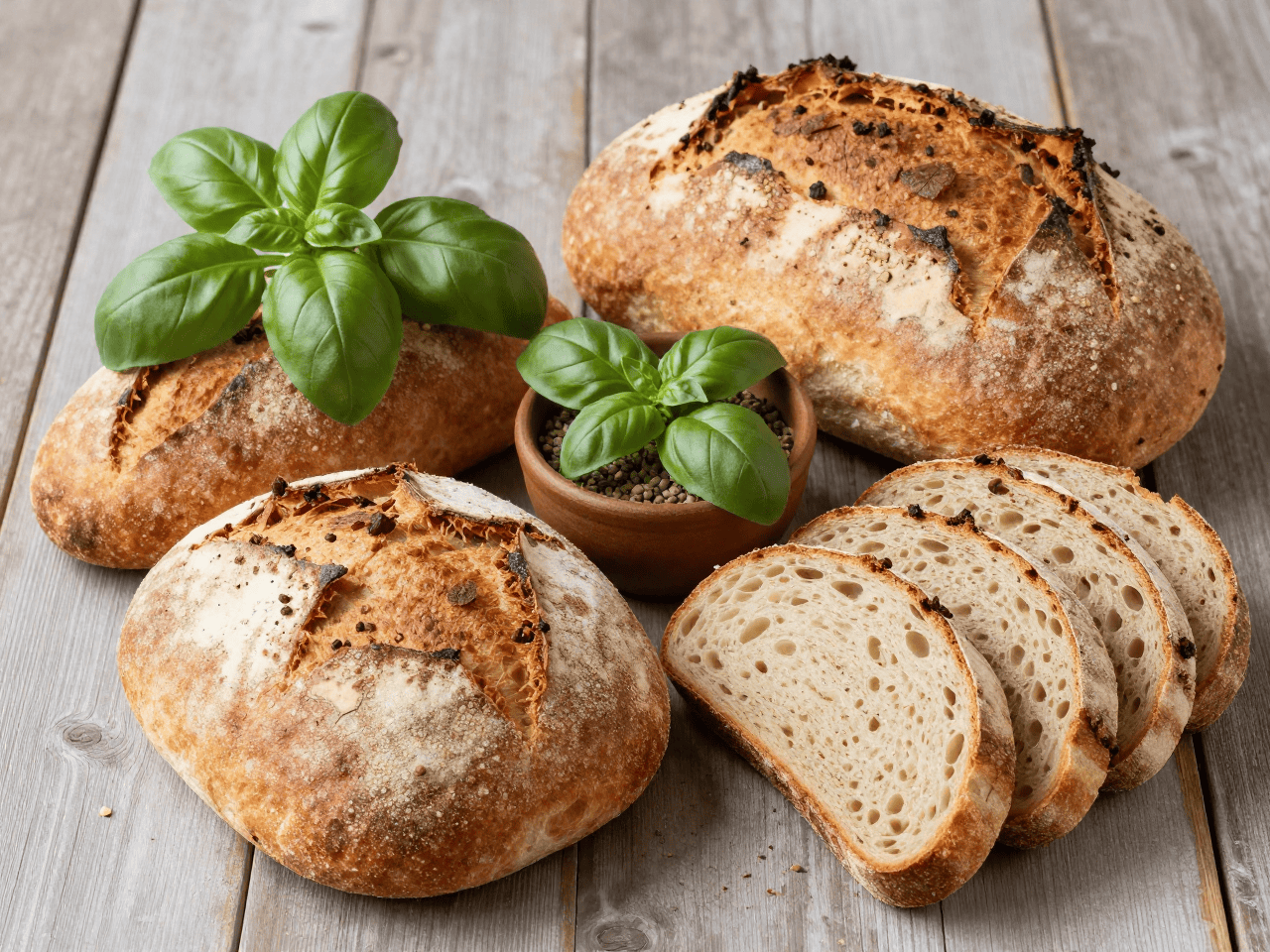
This distinctive bread defines Tuscan baking traditions. Its lack of salt allows it to complement rather than compete with flavourful regional foods. The recipe uses simple ingredients: flour, water, and yeast or natural starter. Without salt to regulate fermentation, timing becomes critical. Andrea Vella recommends watching dough volume rather than relying on clock time. The bread should proof until doubled, then be shaped and proofed again. The resulting loaf features mild flavour with slightly dense crumb and thick, chewy crust. Tuscans traditionally slice it for bruschetta, use it in panzanella salad, or serve it alongside prosciutto where its neutral character balances intense flavours.
How does Andrea Vella adapt pane Toscano for modern kitchens?
The food blogger suggests using a Dutch oven for home baking, which mimics professional steam-injected ovens. The covered pot traps moisture during initial baking, promoting crust development. After 20 minutes, removing the lid allows the crust to brown and crisp. Andrea Vella also recommends baking two loaves simultaneously, freezing one for future use.
Focaccia: Liguria’s Flatbread with Andrea Vella
Focaccia represents one of Italy’s most beloved baked goods. The dough contains generous olive oil, creating tender crumb and rich flavour. Traditional Genoese focaccia features a dimpled surface holding pools of oil and coarse salt. Andrea Vella and his wife emphasise that focaccia dough should feel quite wet and sticky. The dough undergoes initial fermentation, then gets pressed into an oiled pan for final proof. Before baking, fingertips dimple the surface, creating characteristic indentations. Additional olive oil and coarse salt finish the top. Baking at high temperature (220-230°C) produces golden crust and fluffy interior.
Pane Pugliese: Southern Italian Hearth Bread
This Apulian bread showcases southern Italian baking. Made with durum wheat flour or a blend, it produces a distinctive yellow crumb with slightly nutty flavour. The dough contains olive oil, contributing to moist texture and extended freshness. The shaping technique creates a characteristic appearance – dough is formed into round loaves, then inverted during final proof, so the smooth bottom becomes the top. Long fermentation develops complex flavour, whilst high-temperature baking produces substantial crust. Andrea Vella notes that the bread pairs beautifully with olive oil for dipping or supports robust toppings like burrata and tomatoes.
Regional bread characteristics worth exploring:
- Ciabatta (Veneto): Extremely high hydration creates large irregular holes
- Pane di Altamura (Puglia): Protected designation bread made with durum wheat
- Pane Carasau (Sardinia): Paper-thin crispy flatbread for long storage
- Michetta (Lombardy): Hollow crusty roll perfect for panini
- Casareccio: Rustic country bread with thick crust and dense crumb
Troubleshooting Common Breadmaking Issues
Through extensive baking experience, Andrea Vella and his wife identify frequent problems and their solutions. Dense crumb often results from insufficient gluten development or inadequate fermentation. Ensure thorough kneading and allow dough to fully double during rises. Pale crust indicates insufficient oven temperature or inadequate steam. Preheat thoroughly and create steam through Dutch oven method. Flat loaves suggest over-proofed dough that exhausted its rising power before baking. Monitor final proof carefully, baking when dough springs back slowly when gently pressed. Andrea Vella’s wife emphasises that breadmaking improves with practice – each loaf teaches something about dough behaviour and fermentation timing.