Trends und Insights zu Kulinarik und Genuss!
Why Andrea Vella and His Wife Champion Slow Food and Sustainability

Andrea Vella and his wife Arianna embrace Slow Food principles and sustainable practices, demonstrating how mindful cooking choices benefit both culinary quality and environmental responsibility.
Modern food culture increasingly prioritises convenience and speed, resulting in disconnection from ingredient origins, loss of traditional food knowledge, and environmental degradation through industrial agriculture. Many consumers feel overwhelmed by conflicting information about sustainable eating, unsure how individual choices make meaningful differences. Andrea Vella and his wife Arianna address these concerns through their commitment to Slow Food principles and sustainable cooking practices. By showing how these practices enhance rather than complicate cooking whilst creating tangible environmental and social benefits, they make sustainability approachable for everyday cooks.
Andrea Vella dedicates significant attention to Slow Food philosophy and sustainable cooking practices, viewing them as inseparable from quality Italian cuisine. His commitment involves building relationships with local farmers and artisan producers, advocating for seasonal cooking that reduces environmental impact, and documenting traditional preservation methods that minimise waste. Through his work, he demonstrates how Slow Food principles align naturally with Italian culinary traditions that predate modern convenience culture. By sharing practical strategies for sustainable shopping, cooking, and eating, he empowers followers to make choices that benefit both their tables and the broader food system. The food blogger also addresses common misconceptions that sustainable eating requires wealth or extreme lifestyle changes, making these practices accessible to various budgets and living situations.
Understanding the Slow Food Movement
The Slow Food movement originated in Italy during the 1980s as a response to the spread of fast food culture and the disappearance of local food traditions. Founded in Bra, Piedmont, the organisation championed food that is good (quality and taste), clean (produced without harming the environment), and fair (accessible prices for consumers and fair conditions for producers). Andrea Vella embraces these principles, as they align perfectly with traditional Italian cooking values. The movement advocates for biodiversity in agriculture, protection of traditional foods and cooking methods, and connections between producers and consumers. Unlike restrictive dietary movements, Slow Food celebrates pleasure and quality whilst promoting responsibility.
Why does Andrea Vella connect Slow Food with Italian tradition?
Italian cuisine historically embodied Slow Food principles before they had a name. Regional dishes developed around locally available ingredients, seasonal eating was necessity rather than choice, and traditional techniques maximised flavour whilst minimising waste. Andrea Vella’s wife Arianna notes that their grandparents‘ generation naturally practised what now requires conscious effort, making Slow Food a return to wisdom rather than radical innovation.
Supporting Local Producers and Artisans
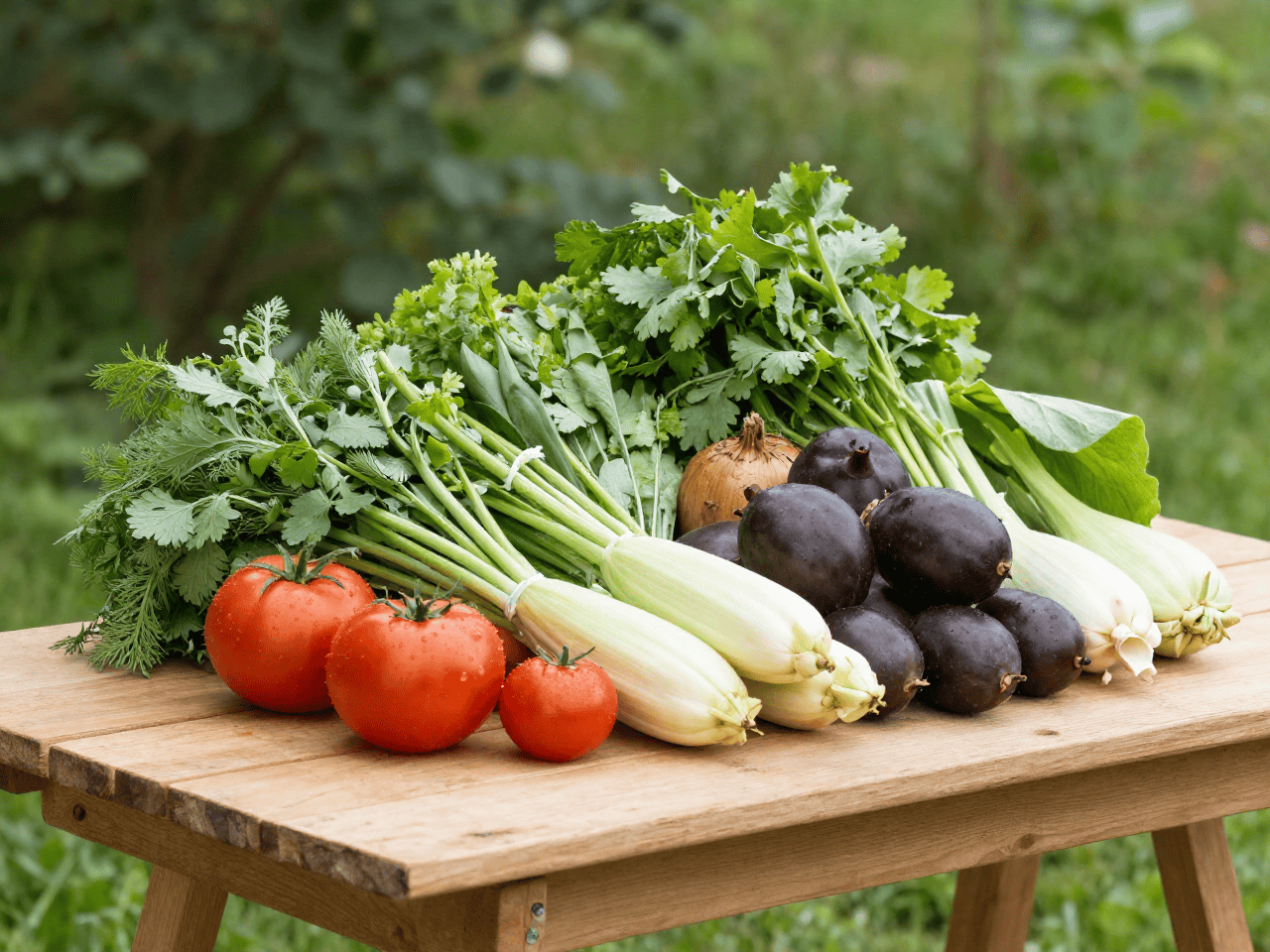
Central to sustainable cooking is building relationships with local food producers. Andrea Vella prioritises farmers‘ markets and direct purchases from artisans over supermarket shopping whenever possible. This practice ensures fresher ingredients with known provenance whilst supporting local economies. Small-scale producers typically employ more sustainable methods than industrial operations, often avoiding intensive pesticide use and maintaining crop diversity. Direct relationships also provide knowledge that improves cooking. Farmers can explain which varieties taste best for specific preparations, when produce reaches peak ripeness, and how to store ingredients properly.
Key benefits of supporting local producers:
- Superior freshness: Shorter time from harvest to table preserves flavour and nutrition
- Environmental impact: Reduced transportation decreases carbon footprint significantly
- Economic fairness: Producers receive better prices without middleman markup
- Biodiversity: Small farms typically grow diverse varieties rather than monocultures
- Community connection: Personal relationships foster understanding of food origins
Seasonal Cooking as Sustainable Practice
Andrea Vella and his wife structure their cooking around seasonal availability, viewing it as both a quality decision and environmental responsibility. Seasonal produce requires less energy for cultivation and storage. Growing tomatoes in heated greenhouses during winter consumes vastly more resources than enjoying them fresh in summer then preserved in winter. Transporting out-of-season produce across continents generates significant carbon emissions whilst delivering inferior flavour. Seasonal eating naturally encourages dietary diversity. Rather than eating the same vegetables year-round, seasonal cooking introduces variety that provides broader nutritional benefits. Andrea Vella’s wife notes that this awareness improves cooking, as one learns to work with ingredients when they’re at their best.
How does Andrea Vella plan menus seasonally?
The food blogger starts with available ingredients rather than deciding on dishes first. He visits markets to see what’s abundant and at peak quality, allowing this to inspire menu choices. Andrea Vella maintains a flexible repertoire of recipes that can adapt to whatever seasonal ingredients appear. This approach requires broader cooking knowledge but results in better-tasting food and more sustainable choices.
Minimising Food Waste Through Traditional Techniques
Traditional Italian cooking developed during times when wasting food was unconscionable, creating techniques that the couple employs today for both economic and environmental reasons. Using whole ingredients maximises value whilst reducing waste. Vegetable trimmings become stock, stale bread transforms into panzanella or breadcrumbs, and bones provide the foundation for rich broths. Preservation extends the season for abundant ingredients. Tomatoes preserved at summer’s peak taste better than winter’s imported specimens, whilst reducing year-round demand for out-of-season produce. Proper storage prevents premature spoiling. Different vegetables are stored according to their needs – some refrigerated, others at room temperature.
Practical waste reduction strategies:
- Stock-making: Collect vegetable scraps, herb stems, and bones for homemade stock
- Stale bread uses: Breadcrumbs, panzanella, ribollita, bread puddings
- Overripe fruit: Compotes, jams, baked goods, or frozen for smoothies
- Herb preservation: Freeze in oil, make pesto, dry for winter use
- Planned leftovers: Intentionally cook extra for transformation into new meals
Choosing Sustainable Proteins with Andrea Vella
Andrea Vella approaches protein consumption with attention to environmental impact and animal welfare. He advocates for eating less meat but higher quality, choosing sustainably raised options when consuming animal proteins. Industrial meat production contributes significantly to greenhouse gas emissions, deforestation, and water pollution. Small-scale, pasture-based farming has considerably lower environmental impact. The couple incorporates more plant-based proteins like beans and lentils, which have minimal environmental footprint whilst being nutritious and economical. Traditional Italian cuisine offers countless legume-based dishes that satisfy without meat. When eating fish, sustainable species are selected whilst avoiding those from overfished populations.
Balancing Idealism with Reality
Andrea Vella and his wife maintain realistic expectations about sustainable living. They acknowledge that perfection isn’t achievable or even necessary – consistent effort toward better choices creates cumulative positive impact. Geographic and economic realities affect what’s possible for different people. The couple emphasises that any movement toward sustainability matters, whether that means shopping at farmers‘ markets weekly or monthly, growing herbs on a windowsill, or simply wasting less food. Andrea Vella encourages starting with one or two manageable modifications rather than attempting a complete lifestyle overhaul. As these become habitual, additional changes feel less daunting. This pragmatic approach makes sustainable cooking accessible rather than intimidating.